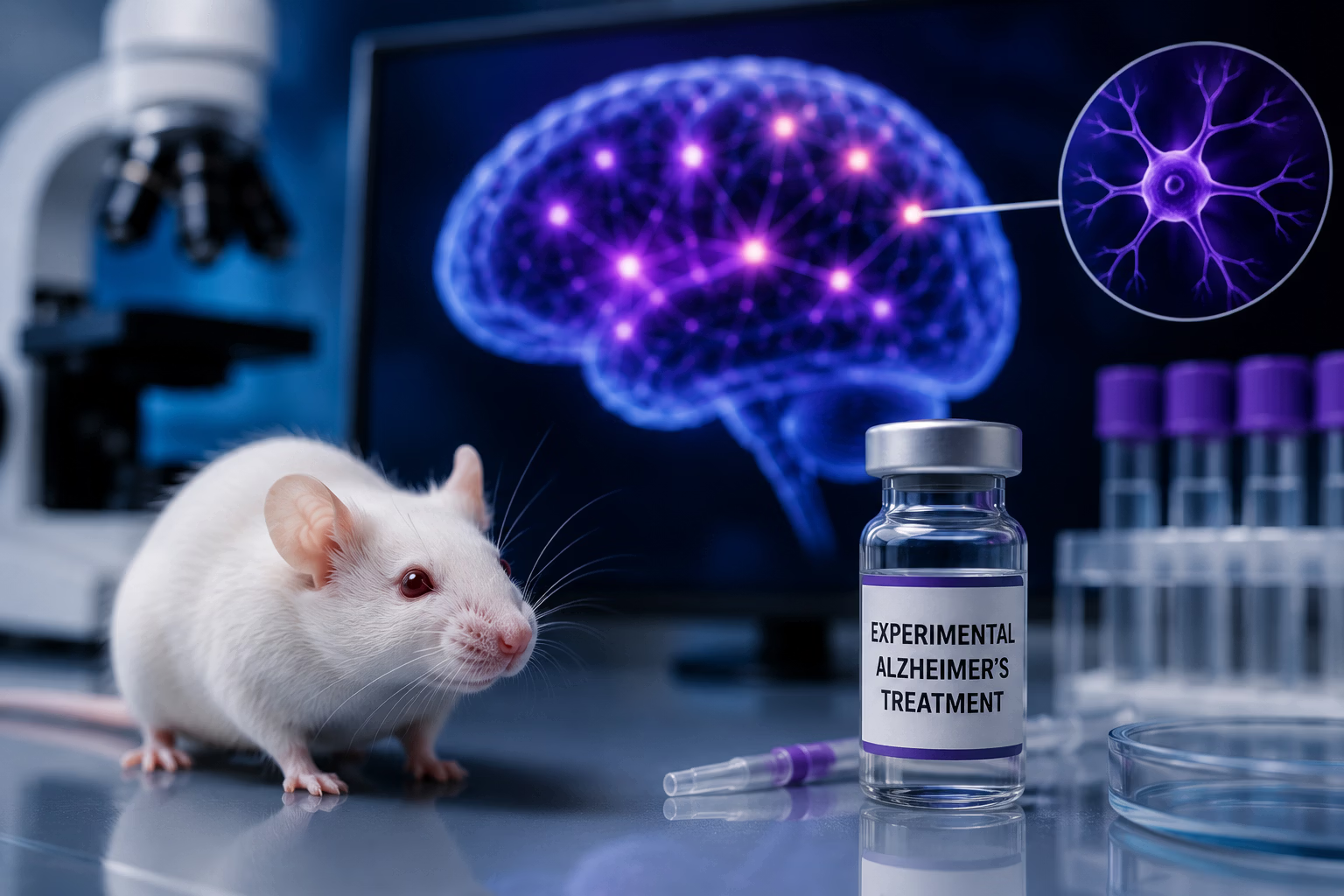
Scientists at ETH Zurich have reported encouraging results from an experimental drug designed to target a newly identified mechanism involved in Alzheimer’s disease.
The research focuses on a protein known as GRK2, which researchers found can accumulate and form harmful aggregates within nerve cells. These aggregates appear to interfere with normal mitochondrial function. Because mitochondria are responsible for producing cellular energy, their impairment may contribute to neuronal damage and degeneration.
To address this process, the research team developed an experimental compound known as “Compound 10.” In laboratory studies and animal models, the compound reduced the formation of harmful GRK2 aggregates and helped preserve mitochondrial function.
Researchers reported that mice treated with the compound showed slower progression of disease-related changes and reduced nerve-cell loss compared with untreated animals.
While the findings are encouraging, it is important to note that the research remains in the preclinical stage. The compound has not yet been tested in human clinical trials, and additional studies will be necessary to determine whether similar effects can be achieved in people living with Alzheimer’s disease.
The study reflects a broader trend in Alzheimer’s research as scientists investigate therapeutic approaches that extend beyond amyloid plaques and tau proteins. Researchers increasingly believe that multiple biological pathways contribute to Alzheimer’s disease and that future treatments may need to target several of these pathways simultaneously.
ETH Zurich researchers have indicated that patent applications have been filed and that further development work is underway.
Sources:
ETH Zurich, “New Drug Could Slow the Development of Alzheimer’s,” June 2026.